Reviving the Red Soil Region with a Clean, Sweet, and Aromatic Passion Fruit Variety
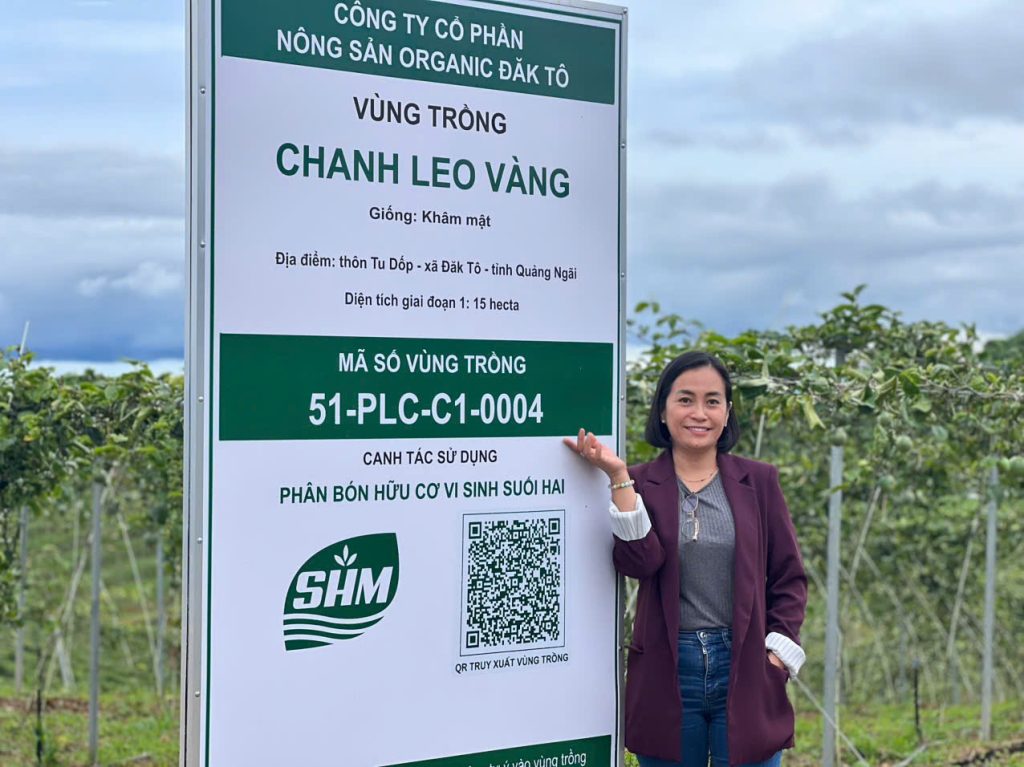
On the basalt red soil of Tu Dop village, Dak To commune, Quang Ngai province, the first 15-plus hectares of golden passion fruit cultivated by Dak To Organic Agricultural Products Joint Stock Company are opening up a new direction, serving the demand for clean food while creating jobs for hundreds of local workers and laborers.
Reviving an “Old” Land
Reaching the passion fruit cultivation area requires a pickup truck. Looking at the vast rows of golden passion fruit vines, no one can resist jumping right out to enjoy them. This special passion fruit variety is exceptionally delicious because it lacks sourness, featuring instead a refined sweetness and a rich, fragrant aroma. The passion fruit region has been granted a growing area code, laying an important foundation for origin management, product traceability, and future market development.
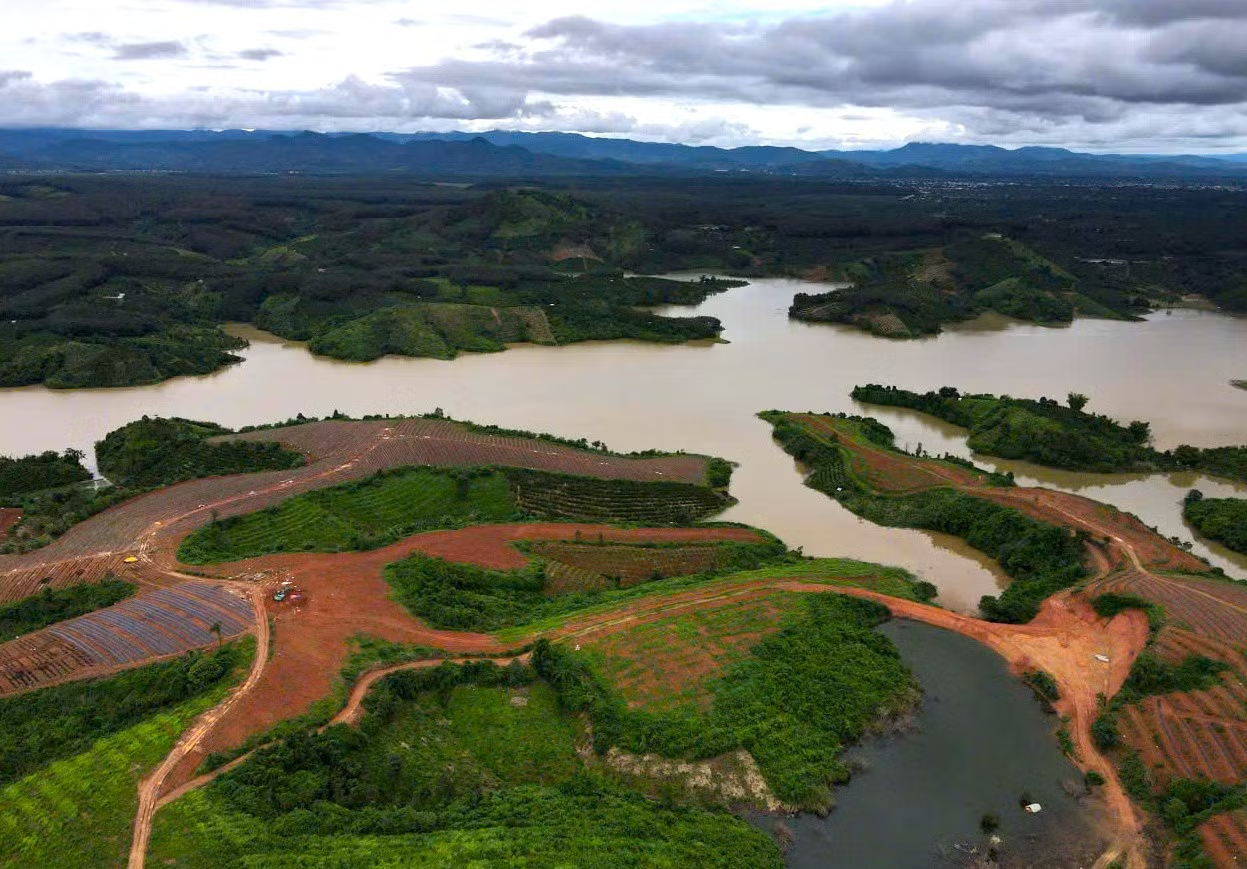
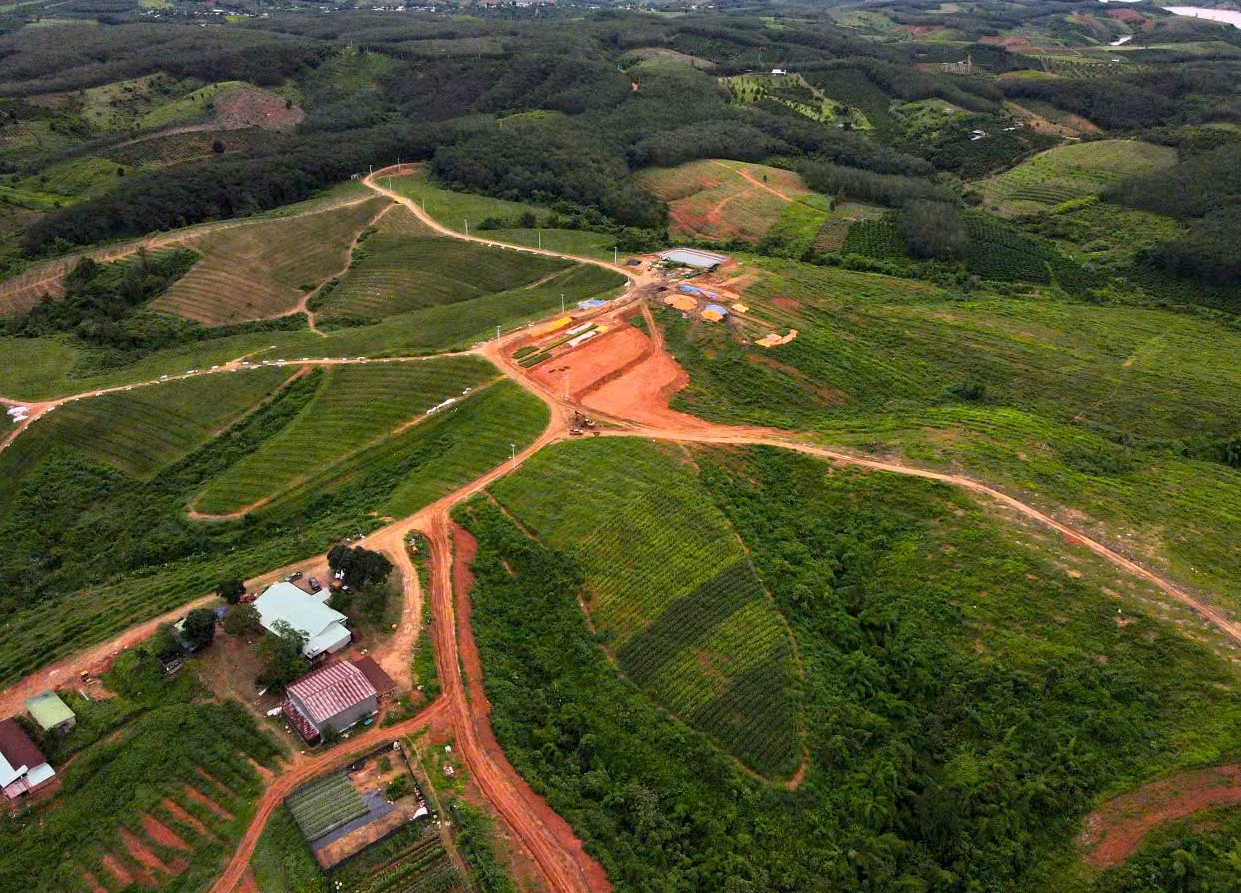
This area was previously a rubber plantation, but most of the land had degraded, with lacking infrastructure and extremely difficult production conditions. Therefore, when the Board of Management of Dak To Organic Agricultural Products Joint Stock Company took over the project, the primary challenge was not simply deciding what crops to plant, but figuring out how to step-by-step revive an entire region and build a production model capable of long-term development.
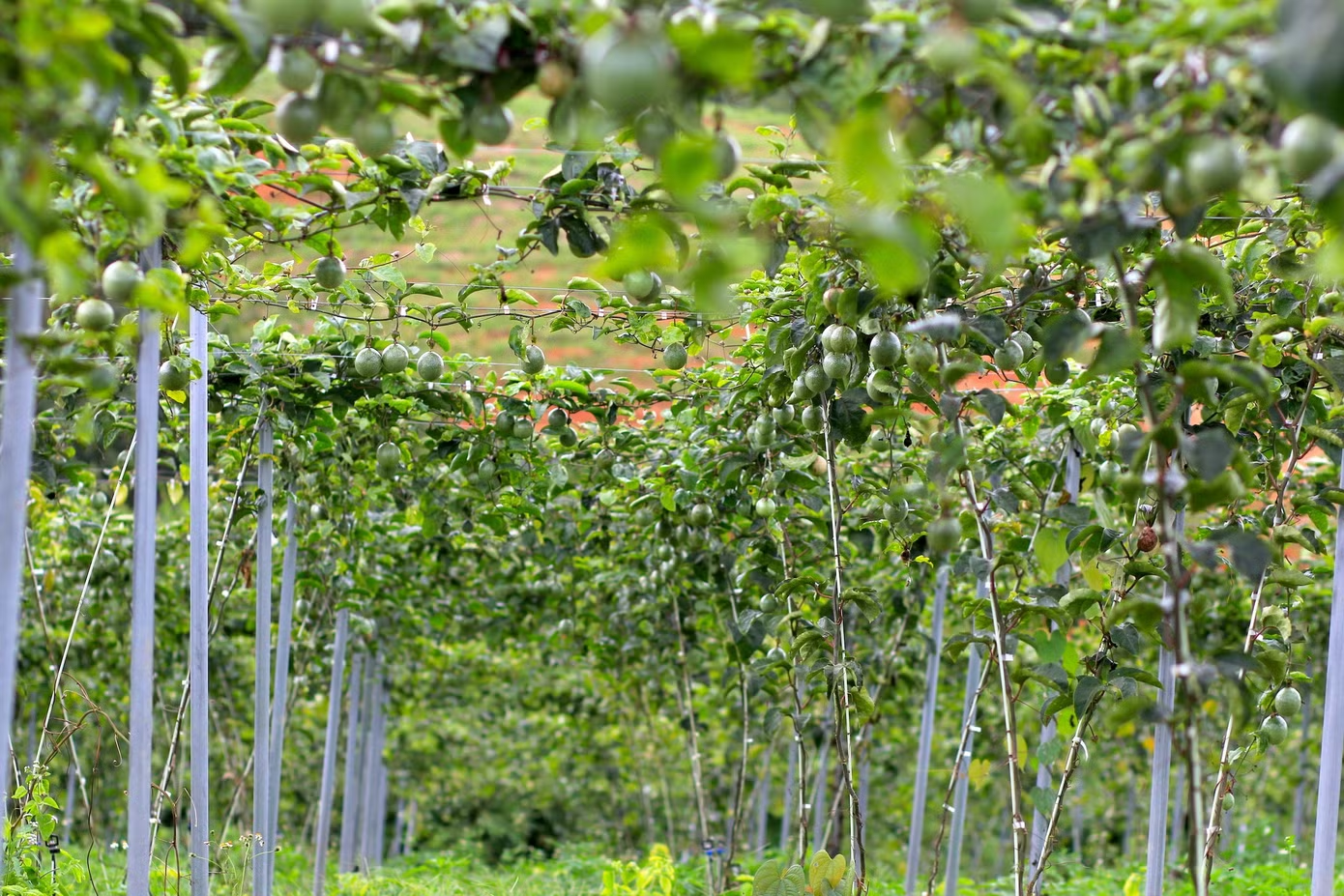
“When we first took over the project, the site really caused us great concern because almost the entire area consisted of previously planted rubber trees, but the quality of the plantations was very low. Faced with this reality, the company decided to clear about 200 hectares of low-quality rubber trees and quickly find a solution to re-green this land with higher economic value crops that better suit local conditions and offer sustainable development potential,” shared Ms. Nguyen Thi Thanh Hai, General Director of Dak To Organic Agricultural Products Joint Stock Company.
Ms. Hai noted that at that time, converting crops was only part of the story. The greater difficulty lay in the infrastructure conditions of the production area itself. Initially, there was virtually no electricity for production, and the road to the farm was extremely rough. Especially during the rainy season, travel became extraordinarily difficult due to slippery roads, making it almost impossible for vehicles to enter or leave at times. After studying the soil properties, the company’s Board of Directors decided to plant the Kham Mat golden passion fruit variety.
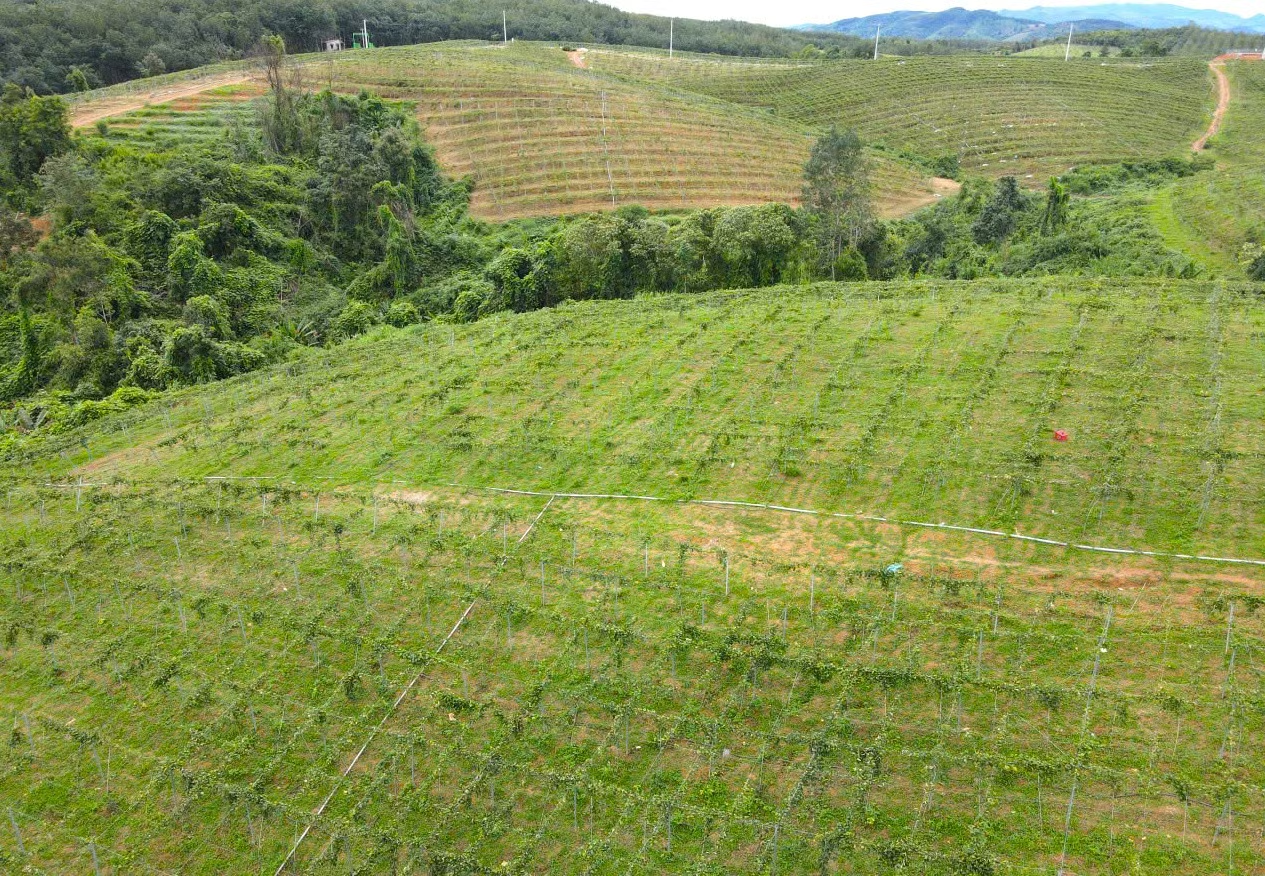
Vùng chanh dây vàng được trồng quy mô, bài bản.
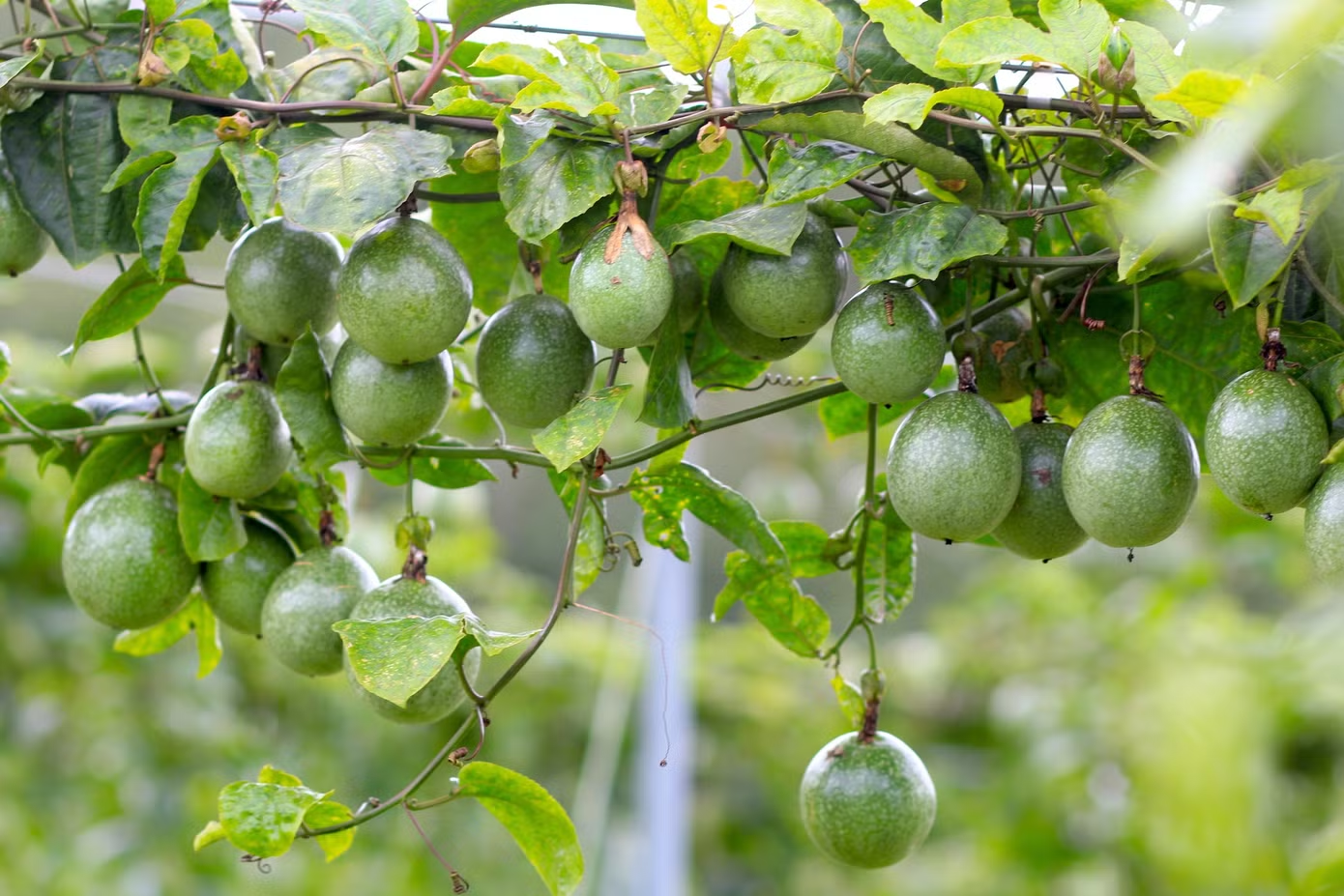
This passion fruit variety is characterized by a refined sweet taste, a rich fragrance, and a Brix level that can reach around 19–21, setting it apart from many conventional passion fruit varieties and unlocking strong potential in high-value economic segments.
However, starting out with passion fruit was not always smooth sailing. In the early stages, the enterprise faced significant technical hurdles. The initial technical team was not fully equipped to meet the demands of a crop as sensitive to care and disease management as passion fruit. Emerging issues forced the company to review its processes, seek expert advice, adjust farming techniques, and reorganize farm operations. It was a process of learning while doing and continuously refining.
 |
|
 |
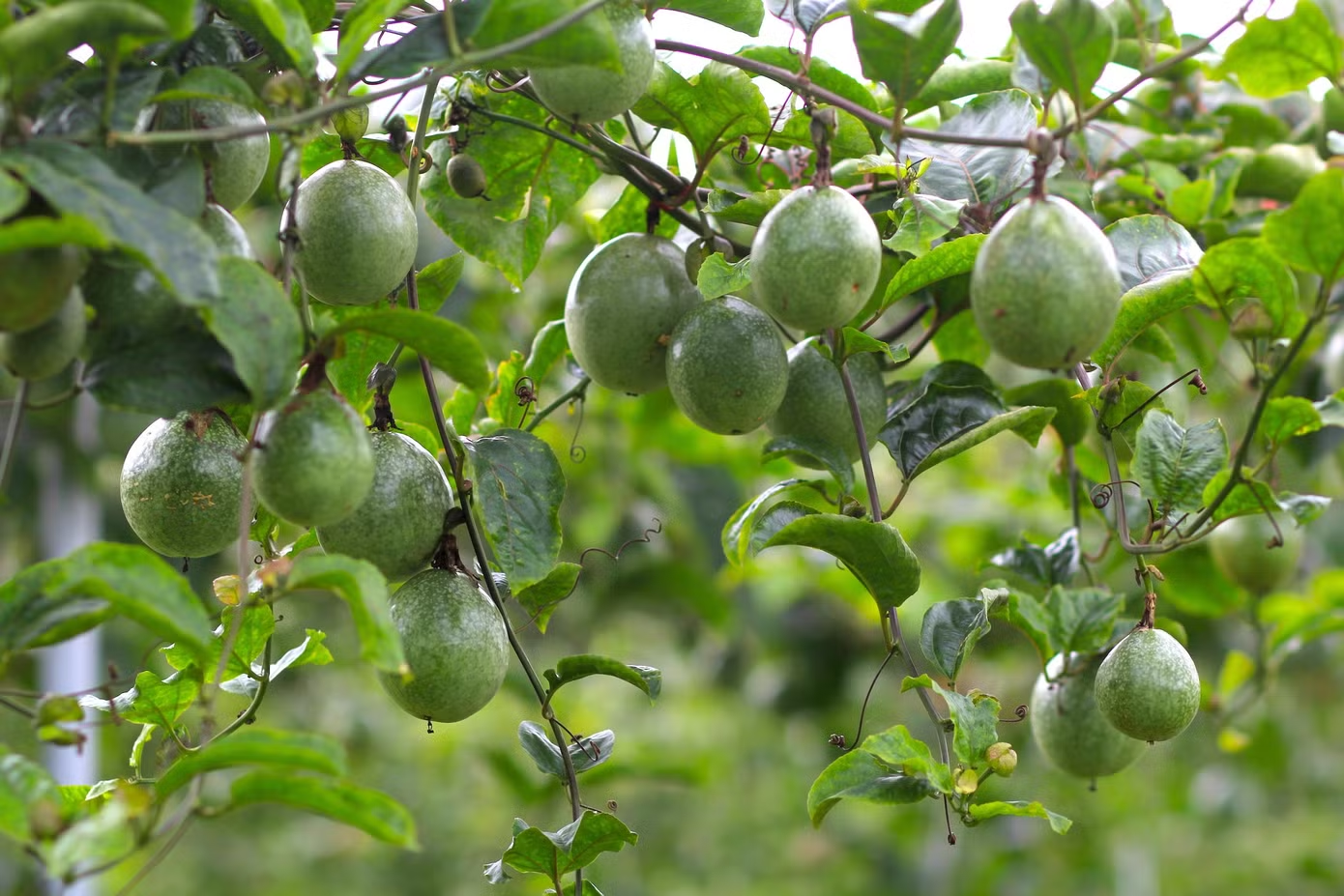 |
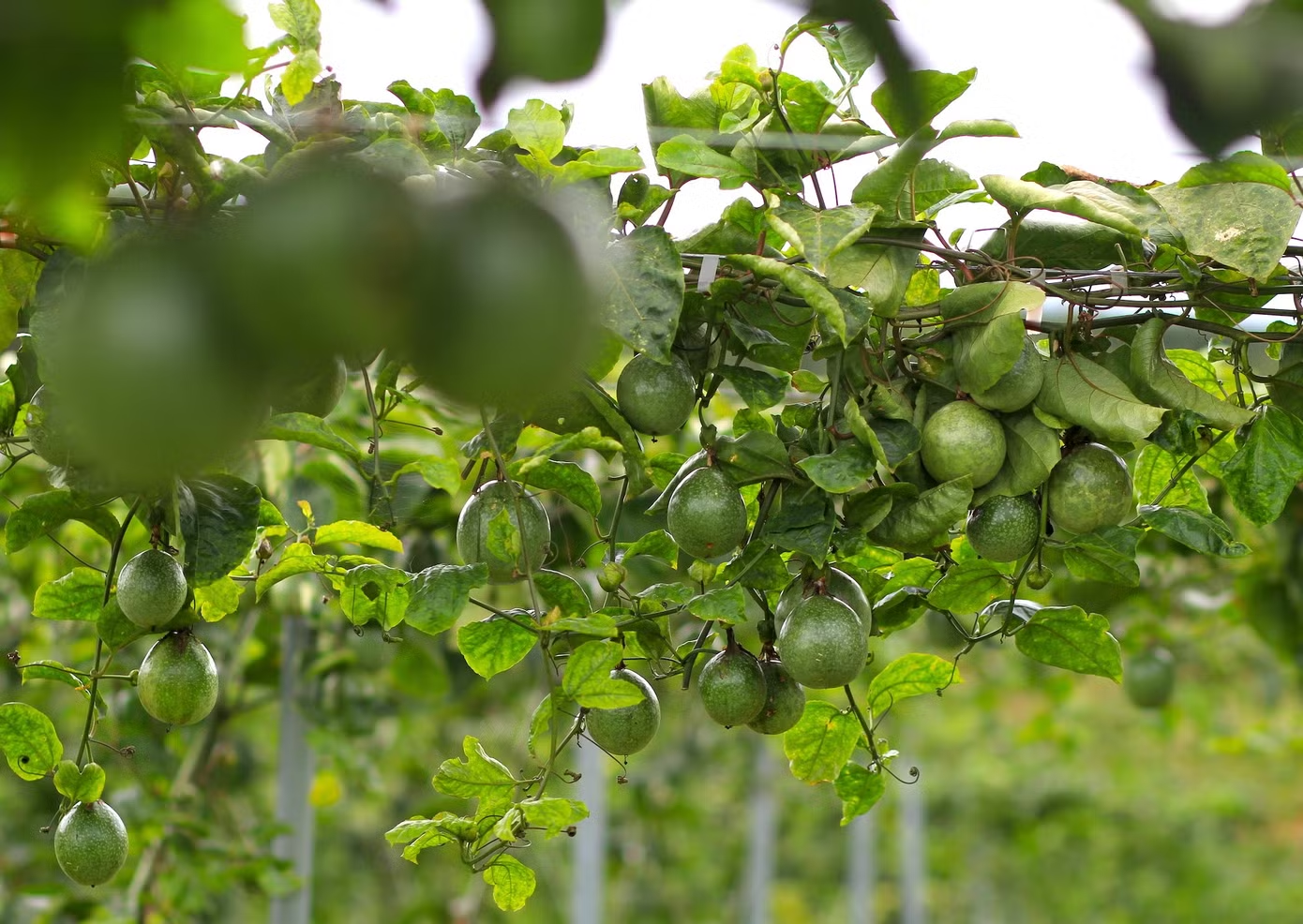
Chanh leo vàng đang thời điểm còn xanh, chưa thu hoạch.
One of the key achievements was stringing nearly 4 kilometers of power lines into the farming area to serve both production and daily living needs. This power line benefited not only the business: neighboring households were also enabled to share access, helping improve living conditions and support production activities for residents in adjacent areas.
Ms. Hai confided: “After a period of adjustments, we have grown increasingly confident in the potential of developing the golden passion fruit variety in the Dak To growing area. The next goal is not just expanding acreage. The enterprise is preparing step-by-step to transition the passion fruit model into greenhouse cultivation, thereby better controlling production conditions, diseases, fruit quality, and factors related to product safety.”
A New Mindset
While the business initially struggled to find workers, after a while, local residents and ethnic minority communities in surrounding areas learned about the farm and proactively came looking for work. Currently, depending on the time and workload, the farm employs about 60 workers daily. This is considered one of the key values of the project—an agricultural region can only truly achieve sustainable development when a company’s production activities simultaneously generate employment, income, and development opportunities for the local community.
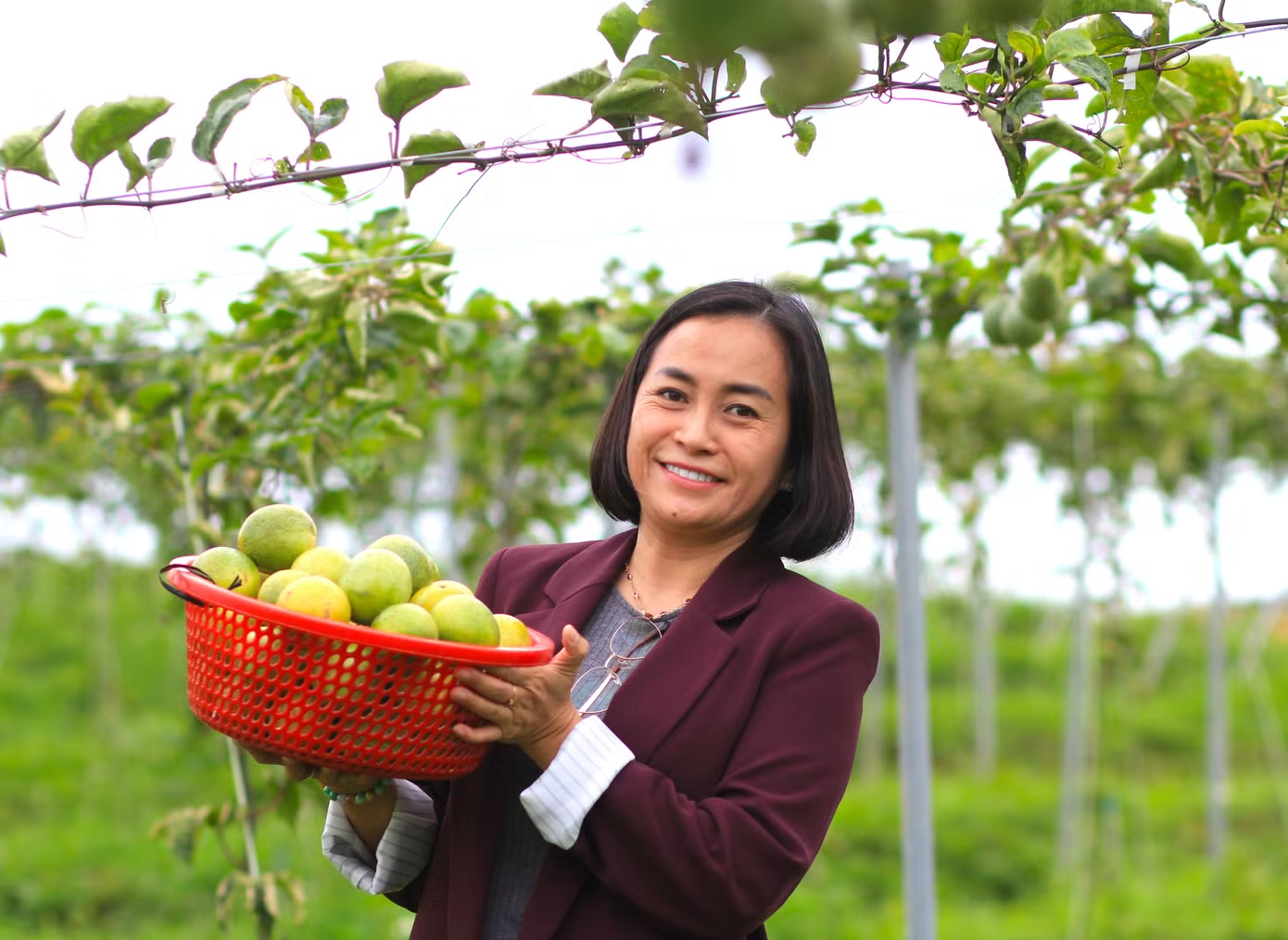
Bà Nguyễn Thị Thanh Hải – Tổng Giám đốc Công ty cổ phần nông sản Organic Đắk Tô.
“After surveying, researching, and selecting, we determined that crop conversion could not rely on a single plant type. Instead, the raw material zone is planned toward selective diversification, prioritizing high-value crops suitable for natural conditions while partnering with specialized organizations. One major project is our plan to re-green over 200 hectares between now and 2027 with coffee intercropped with medicinal herbs, in partnership with Every Half Bean Joint Stock Company—a specialty coffee chain brand in Vietnam—and BLVN Company,” Ms. Hai added.
The company’s ultimate direction is to build a production process that meets increasingly high market standards, progressing toward developing products eligible for demanding markets such as Europe, the United States, and Australia. Accordingly, even in current planning, the company has prepared facility areas for production and processing.
In the next two years, as yields from crop zones stabilize, the goal is to gradually process raw agricultural harvests right at the farm and convert them into finished products within the raw material origin zone. This will help enhance the value of agricultural products, reduce reliance on raw product sales, create more local jobs, and build a more complete value chain spanning planting, harvesting, preliminary processing, processing, and commercialization.
 |
 |
Ms. Hai believes that the value of agriculture does not lie solely in a single season’s yield. Rather, long-term value comes from using land to its full potential, providing locals with jobs and income, creating high-quality agricultural products, and making every post-conversion hectare produce higher, more sustainable value than before.
According to Ms. Hai, what the company aims to build in Dak To is a high-tech, clean agricultural zone with sustainable economic value, where the business, workers, technical partners, and the local community participate together in a shared value chain. With electricity now available, infrastructure gradually improving, and new crop zones re-greening the old land, Dak To Organic Agricultural Products Joint Stock Company will continue thorough research to develop a clean agricultural region on its allocated 400+ hectares, serving as a bright spot for the local area and Quang Ngai province.
Dak To Organic Agricultural Products Joint Stock Company remains steadfast in its mission at the Dak To cultivation site: “Re-greening old land with new crops, but more importantly, creating a new way of doing agriculture—cleaner, more professional, with higher technical content, connecting enterprise growth with local development.”
Media & Press
Organic Dak To in Tien Phong Newspaper
Reviving the Red Soil Region with a Clean, Sweet, and Aromatic Passion Fruit Variety